Executive Summary
MarsMarket is documented as a decentralized commerce platform operating exclusively within the Tor hidden service network. Established to facilitate the exchange of digital goods and specific commodities, the platform utilizes advanced routing layers to anonymize network traffic between interacting parties.
Observers note that the system prioritizes operational security through mandatory encryption standards. It does not process traditional fiat currencies, relying strictly on decentralized cryptographic ledgers to manage account balances and escrow states.
Operational Timeline
Initial Network Deployment
Phase 1 Architecture
The platform's initial iterations were observed on the Tor network, introducing a basic escrow system and standard PGP communication requirements for all registered accounts.
Infrastructure Upgrade
Monero (XMR) Integration
In response to blockchain analysis vulnerabilities inherent in public ledgers, the administration transitioned primary transactional systems to Monero (XMR), leveraging ring signatures to obfuscate transaction trails.
Advanced Anti-Sybil Measures
Security Protocol Expansion
Implementation of high-entropy captchas and automated Distributed Denial of Service (DDoS) mitigation layers across all primary routing addresses. Account creation processes were fortified to prevent automated registration scripts.
Technical Architecture
Escrow Systems
The platform utilizes a traditional centralized escrow model, holding funds until finalization is triggered by the receiving party. Multi-signature (Multisig) capabilities are partially documented for higher-tier accounts.
PGP Implementation
Strict adherence to RSA-4096 PGP encryption is enforced. The platform requires dual-factor authentication (2FA) via PGP decryption challenges during the login sequence to prevent unauthorized access.
Walletless Mode
To minimize risk associated with holding funds on centralized platform wallets, a direct-pay (walletless) mode allows users to fund specific orders from external hardware wallets on a per-transaction basis.
Mirror Rotation
A dynamic routing system frequently rotates active .onion endpoints. This mitigates targeted attacks by ensuring multiple failover nodes remain independently operational across the distributed network.
Interface Architecture Preview
Visual documentation of structural components and internal security layers observed within the environment.
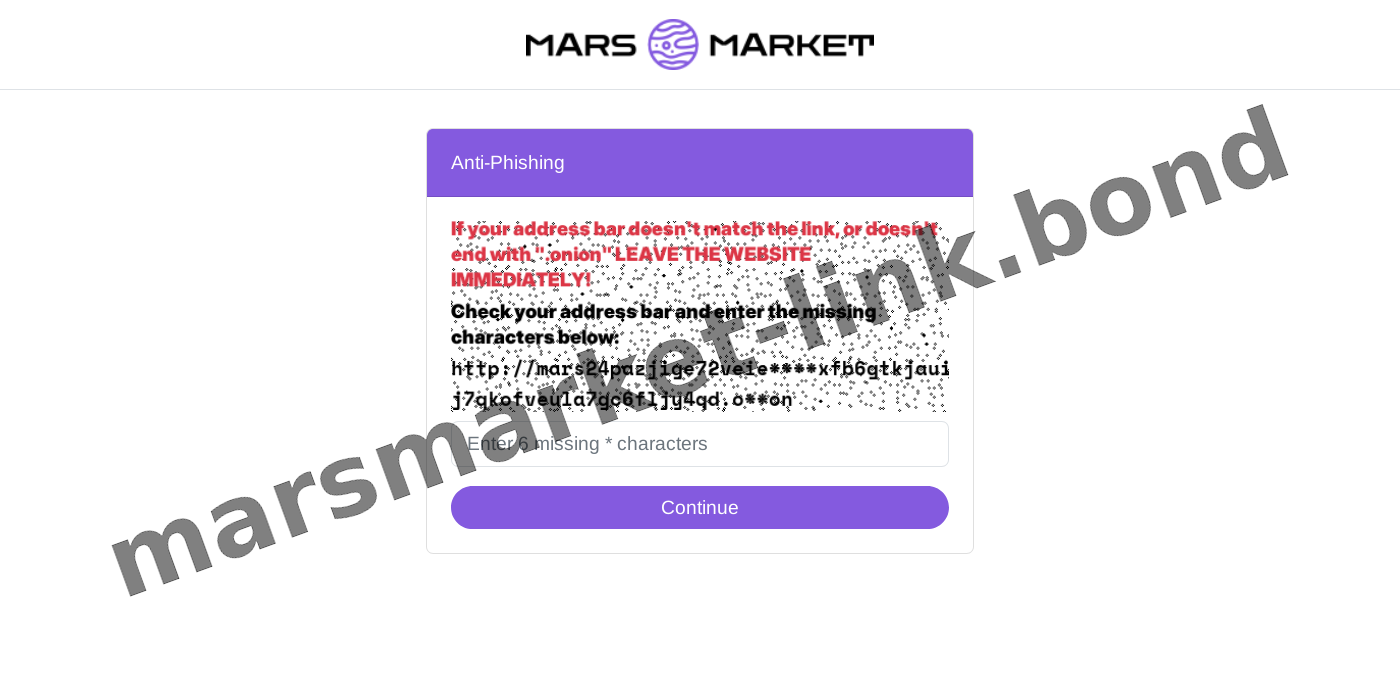
Fig 1: DDoS Protection Screen
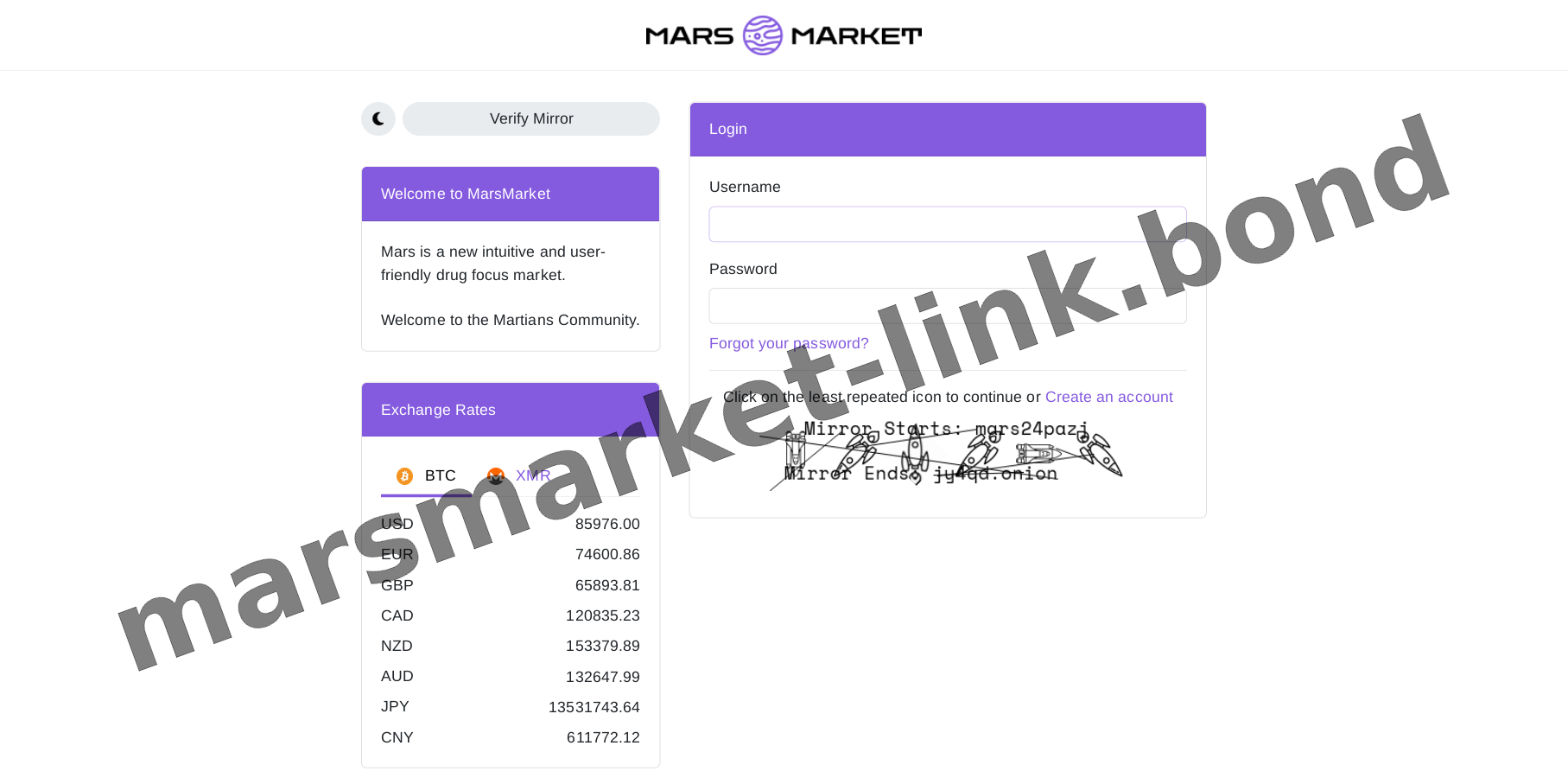
Fig 2: User Login Interface
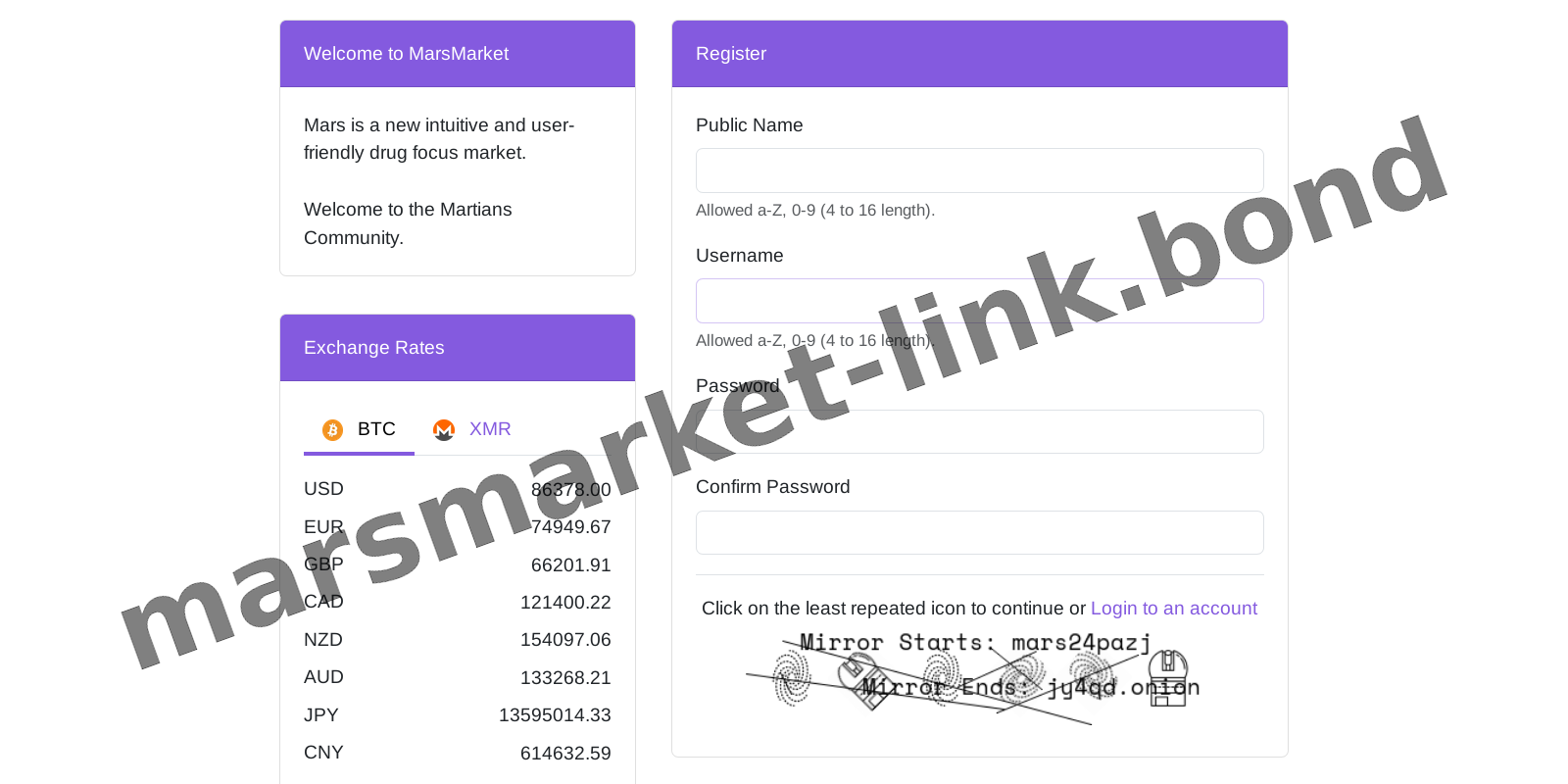
Fig 3: Account Registration Page
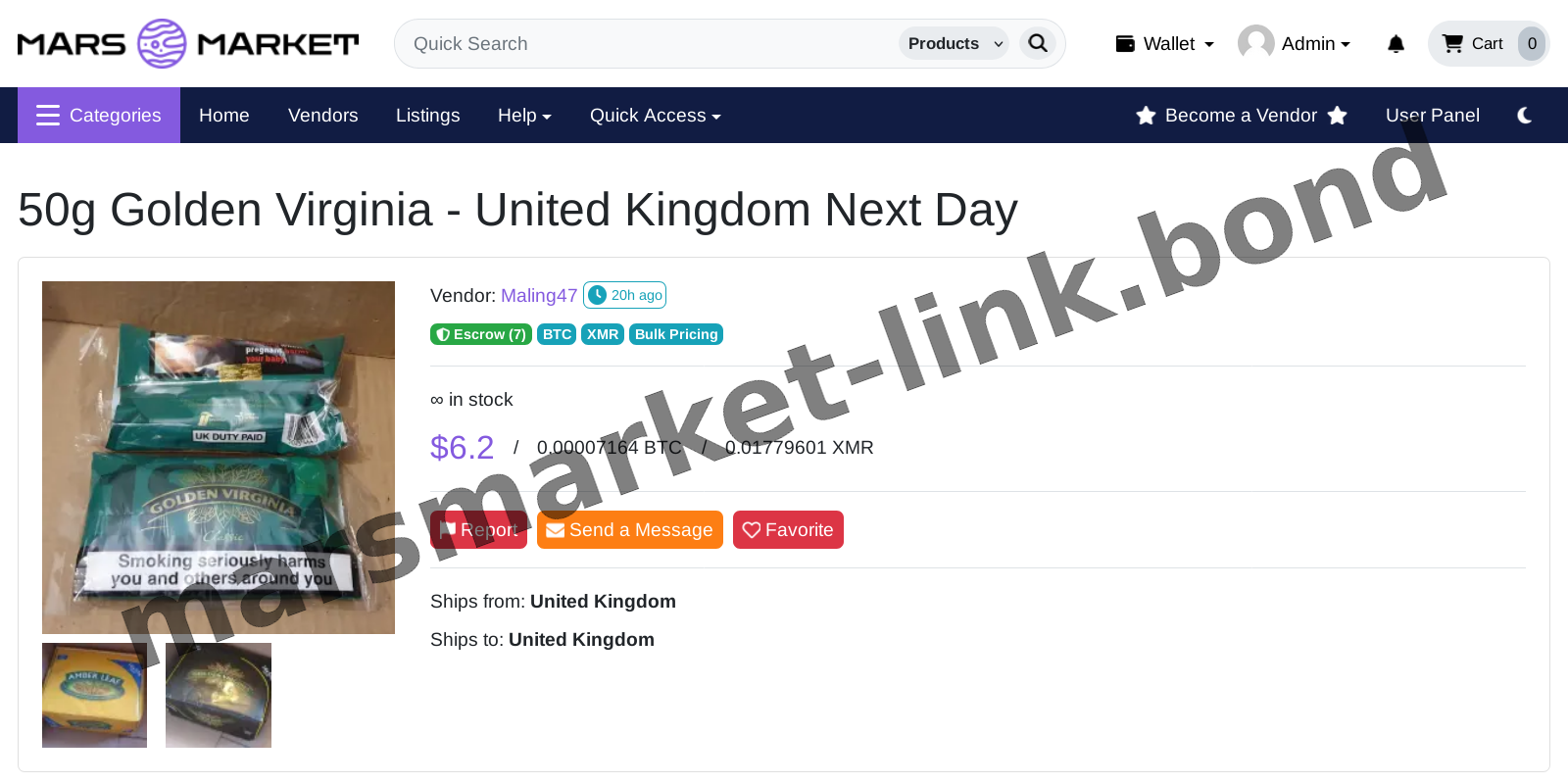
Fig 4: Main Market Dashboard
Demographics & Network Statistics
Analytical data suggests a rapidly expanding ecosystem, maintaining thousands of active cryptographic sessions daily. The platform operates on a trustless model, requiring merchants to deposit non-refundable security bonds in cryptocurrency before authorization is granted to list goods.
This economic deterrent is designed to minimize fraudulent accounts while fostering a reliable reputation system where user feedback directly influences merchant visibility and search rankings.